'%3e %3cpath d='M15.9571 0.231934L0.147583 9.39139V32.66L15.9571 41.8195L31.7665 32.66V9.39139L15.9571 0.231934ZM15.9571 33.0172L7.68318 28.2206V13.7798L15.9571 9.00869V23.424L24.2309 28.2206L15.9571 33.0172Z' fill='%23170E30'/%3e %3cpath d='M107.275 23.3727C107.275 22.9645 107.275 22.6073 107.275 22.2756C107.275 21.6377 107.021 20.311 106.766 19.7242C104.628 14.6214 96.3791 15.5144 95.5645 21.3316C94.648 28.0417 102.438 30.9248 106.613 26.2302L104.678 24.929C102.464 26.8936 98.9759 26.5619 98.2885 23.3982H106.384H107.275V23.3727ZM98.2885 21.3826C99.0268 17.9382 103.966 17.7596 104.449 21.3826H98.2885ZM58.472 16.5095C53.9914 15.7441 51.1147 19.1629 51.522 23.4492C51.9802 28.0672 57.8865 30.2614 61.0688 26.766V28.1438H63.9964V16.3309C63.9964 16.3309 61.1706 17.9638 61.0433 18.0403C61.0433 18.0403 59.7959 16.7391 58.472 16.5095ZM57.3264 25.822C53.5077 25.3883 53.5332 19.6987 57.0464 19.1119C62.469 18.1934 62.5963 26.4088 57.3264 25.822ZM126.929 25.4648C126.471 29.5981 118.197 29.3429 116.924 25.6944L119.011 24.4698C119.597 26.1537 122.881 27.1487 123.95 25.6944C125.274 23.9085 121.048 23.4747 120.055 23.092C118.91 22.6328 117.586 21.8419 117.408 20.5151C116.72 15.5655 124.765 14.9786 126.623 18.6781L124.689 19.8263C124.103 18.2954 120.157 17.479 120.284 19.6222C120.361 20.8468 123.517 21.204 124.561 21.6633C126.318 22.4287 127.132 23.4747 126.929 25.4648ZM90.5492 18.2954C87.2142 14.3918 81.3334 16.8667 80.8497 21.7908C80.3151 27.4294 86.5523 30.8993 90.5238 26.6129V28.1438H93.2987V12.1211H90.5238V18.2699L90.5492 18.2954ZM87.7998 25.7965C83.1409 26.5874 82.2499 19.7497 86.4759 19.0864C91.2366 18.3465 92.0003 25.0566 87.7998 25.7965ZM75.8599 18.2954L74.918 17.3004C70.0555 14.3408 65.0657 19.0098 66.4404 24.2402C67.4333 28.0162 72.2958 29.9808 75.3253 27.2253C75.5544 27.0212 75.6053 26.6895 75.8599 26.6129V28.1438H78.6348V12.1211H75.8599V18.2699V18.2954ZM73.1104 25.7965C68.3752 26.4854 67.7897 19.7497 71.8121 19.1119C76.7 18.321 77.311 25.2097 73.1104 25.7965ZM112.392 16.6115H109.465V28.1693H112.392V21.102L115.6 19.2394V16.3054C114.709 16.8156 112.876 17.8872 112.392 18.1679V16.6115ZM42.4335 25.3883H49.969V28.1693H39.353V13.7795H42.4335V25.3883Z' fill='%23170E30'/%3e %3c/g%3e %3cdefs%3e %3cclipPath id='clip0_1_15718'%3e %3crect width='127' height='42' fill='white'/%3e %3c/clipPath%3e %3c/defs%3e %3c/svg%3e)

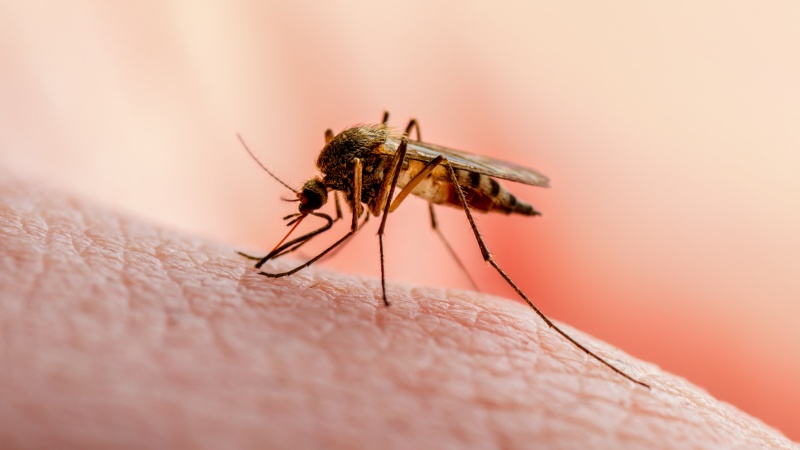
• Rising temperatures might allow mosquitoes to survive winter.
• Researchers said mosquitoes can adapt to different temperatures in Florida.
• This could become a bigger problem due to mosquito-borne diseases like Zika and West Nile virus.
Winter is coming — and mosquitoes could be too.
New research from the University of Florida delivered stinging news — that the disease-carrying pests could become a common sight in winters due to climate change.
In warmer, tropical climates, mosquitoes are active all year round — but in seasonal climates, they go into a hibernation called diapause, which essentially limits their activity due to cooler temperatures.
“With climate change, we expect summers to get longer and winters to become shorter and warmer, said Brett Scheffers, assistant professor at the University of Florida’s wildlife ecology and conservation department.
Why mosquitoes could live year-round
The study, published in the journal Ecology, collected mosquitoes in and around Gainesville, FL — a strategic location due to it being the dividing line between subtropical and temperate climates, researchers said.
They gathered the bugs during different parts of the year to see how they responded to changes in temperature.
In the spring, when night temperatures remain colder while the daytime begins to heat up, mosquitoes were able to tolerate wider ranges of temperatures, researchers said. In the summer, there’s less of a difference since temperatures remain warm, while autumn repeats a pattern similar to spring as temperatures cool off, allowing mosquitoes to stretch their tolerance again.
Researchers likened mosquitoes to plastic in the sense that they are like a “rubber band, the range of temperatures they can tolerate stretches and contracts at different times of year.”
“That tells us that as climate change makes our autumns and winters warmer, mosquitoes in more temperate regions are well prepared to be active during those times,” Scheffers said.
Which diseases do mosquitoes spread?
Mosquitoes can carry several diseases that could be transmitted to humans through the bite of an infected mosquito, including:
- Zika virus
- West Nile virus
- Chikungunya virus
- Dengue
- Malaria
According to the Centers for Disease Control and Prevention, many workers — especially those who work outside — are at risk of encountering an infected mosquitoes. Even business travelers who travel to areas with mosquito-borne disease could be at risk.
As evidence of climate change piles up each day, researchers warned that mosquitoes adapting and surviving to the warmer temperatures could create a greater risk for mosquito-borne diseases.
“The more mosquito activity there is, the greater the risk of these diseases spreading,” Scheffers said.
He added: “When we talk about how climate change might affect plants and animals, we are often talking about species moving to new areas because the conditions are changing — in other words, the arrival of something new. However, climate change will also affect species we live with right now, like highly flexible mosquitoes, and that’s another aspect to consider.”
How to get rid of mosquitoes at home
Before your Fourth of July party becomes the wrong kind of buzzing affair, there are steps you can take to control mosquitoes outside your home.
First, remove any standing water from any surface. This is important because standing water is where mosquitoes can lay eggs. They can settle in forgotten places like planters, pool accessories, trash cans, or even buckets.
For mosquitoes inside your home, the CDC recommends installing screen doors and to not leave doors open; leave the air conditioning on because it can kill mosquitoes too.