'%3e %3cpath d='M15.9571 0.231934L0.147583 9.39139V32.66L15.9571 41.8195L31.7665 32.66V9.39139L15.9571 0.231934ZM15.9571 33.0172L7.68318 28.2206V13.7798L15.9571 9.00869V23.424L24.2309 28.2206L15.9571 33.0172Z' fill='%23170E30'/%3e %3cpath d='M107.275 23.3727C107.275 22.9645 107.275 22.6073 107.275 22.2756C107.275 21.6377 107.021 20.311 106.766 19.7242C104.628 14.6214 96.3791 15.5144 95.5645 21.3316C94.648 28.0417 102.438 30.9248 106.613 26.2302L104.678 24.929C102.464 26.8936 98.9759 26.5619 98.2885 23.3982H106.384H107.275V23.3727ZM98.2885 21.3826C99.0268 17.9382 103.966 17.7596 104.449 21.3826H98.2885ZM58.472 16.5095C53.9914 15.7441 51.1147 19.1629 51.522 23.4492C51.9802 28.0672 57.8865 30.2614 61.0688 26.766V28.1438H63.9964V16.3309C63.9964 16.3309 61.1706 17.9638 61.0433 18.0403C61.0433 18.0403 59.7959 16.7391 58.472 16.5095ZM57.3264 25.822C53.5077 25.3883 53.5332 19.6987 57.0464 19.1119C62.469 18.1934 62.5963 26.4088 57.3264 25.822ZM126.929 25.4648C126.471 29.5981 118.197 29.3429 116.924 25.6944L119.011 24.4698C119.597 26.1537 122.881 27.1487 123.95 25.6944C125.274 23.9085 121.048 23.4747 120.055 23.092C118.91 22.6328 117.586 21.8419 117.408 20.5151C116.72 15.5655 124.765 14.9786 126.623 18.6781L124.689 19.8263C124.103 18.2954 120.157 17.479 120.284 19.6222C120.361 20.8468 123.517 21.204 124.561 21.6633C126.318 22.4287 127.132 23.4747 126.929 25.4648ZM90.5492 18.2954C87.2142 14.3918 81.3334 16.8667 80.8497 21.7908C80.3151 27.4294 86.5523 30.8993 90.5238 26.6129V28.1438H93.2987V12.1211H90.5238V18.2699L90.5492 18.2954ZM87.7998 25.7965C83.1409 26.5874 82.2499 19.7497 86.4759 19.0864C91.2366 18.3465 92.0003 25.0566 87.7998 25.7965ZM75.8599 18.2954L74.918 17.3004C70.0555 14.3408 65.0657 19.0098 66.4404 24.2402C67.4333 28.0162 72.2958 29.9808 75.3253 27.2253C75.5544 27.0212 75.6053 26.6895 75.8599 26.6129V28.1438H78.6348V12.1211H75.8599V18.2699V18.2954ZM73.1104 25.7965C68.3752 26.4854 67.7897 19.7497 71.8121 19.1119C76.7 18.321 77.311 25.2097 73.1104 25.7965ZM112.392 16.6115H109.465V28.1693H112.392V21.102L115.6 19.2394V16.3054C114.709 16.8156 112.876 17.8872 112.392 18.1679V16.6115ZM42.4335 25.3883H49.969V28.1693H39.353V13.7795H42.4335V25.3883Z' fill='%23170E30'/%3e %3c/g%3e %3cdefs%3e %3cclipPath id='clip0_1_15718'%3e %3crect width='127' height='42' fill='white'/%3e %3c/clipPath%3e %3c/defs%3e %3c/svg%3e)

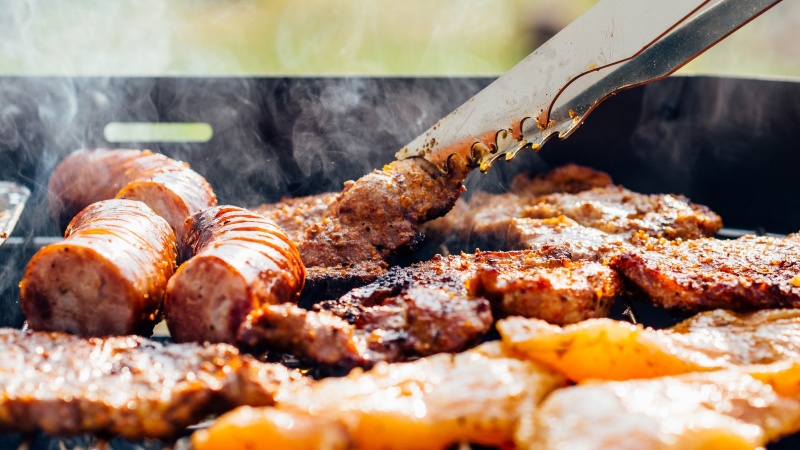
As Memorial Day speedily arrives and the unofficial start of summer is underway, it’s that time of year again where grill season is upon us. Out goes the winter diets for the perfect beach body and in comes burgers galore, drinks aplenty, and warmer weather to consume our present.
While you begin to plan what dish you’re making for your annual Memorial Day BBQ, it might be wise to consider what you should (and shouldn’t) be eating this summer.
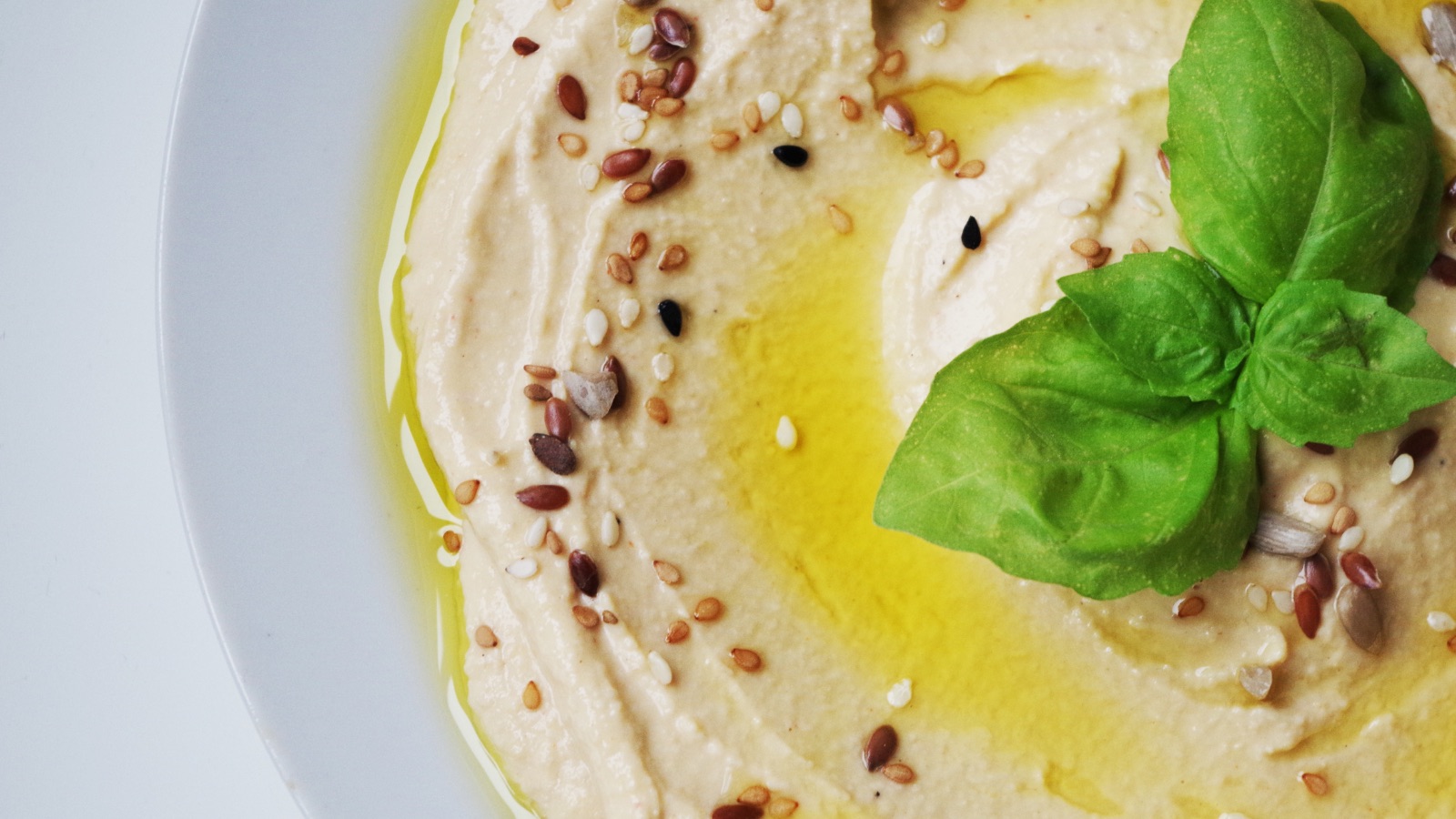
Hummus
Ingredient: Chickpeas
Found in: Hummus
Yes or no: Maybe
Why: Chickpea fans: Look away.
Nutritionist Heather Hanks recently told Eat This, Not That that eating hummus in excess can cause gastrointestinal inflammation due to legume, which is found in chickpeas — the main ingredient of hummus.
While hummus has all the makings of a nutritious food (it contains fiber, antioxidants, vitamins, and minerals), GI inflammation could cause bloating, intestinal gas, acid reflux, and abdominal pain, according to Hanks.
If you’re a hummus lover, the report says to drink plenty of water to help move the fiber through your body.
Uses: Veggie dip, fruit dip, spreads, sauce for salads and pastas.

Hot dogs
Ingredient: Processed meats
Found in: Hot dogs, bacon, and sausage
Yes or no: In moderation
Why: You can’t spell summer without processed meats (OK, maybe not literally — but you get it).
Habitual processed meat consumption can drastically increase one’s risk for heart disease and even early death, according to a recent study. A weekly intake of as little as 5.3 ounces of processed meat (less than four hot dogs) can potentially be harmful to you, increasing the risk for developing heart disease by 46%.
Does this mean you need to stay away from the grill this year? No, but remember to eat in moderation.
“Enjoy them in moderation, and use common sense. Check the nutrition labels to avoid anything high in fats, sugars, and chemicals you can’t pronounce. Be sure to make fresh, simple ingredients the focus of your diet. As long as fatty, sugary, or salty processed foods aren’t accounting for more than 20 percent of your daily food intake, it should be fine,” experts say.
Uses: Hot dogs, hamburger toppings, deli sandwich meats.
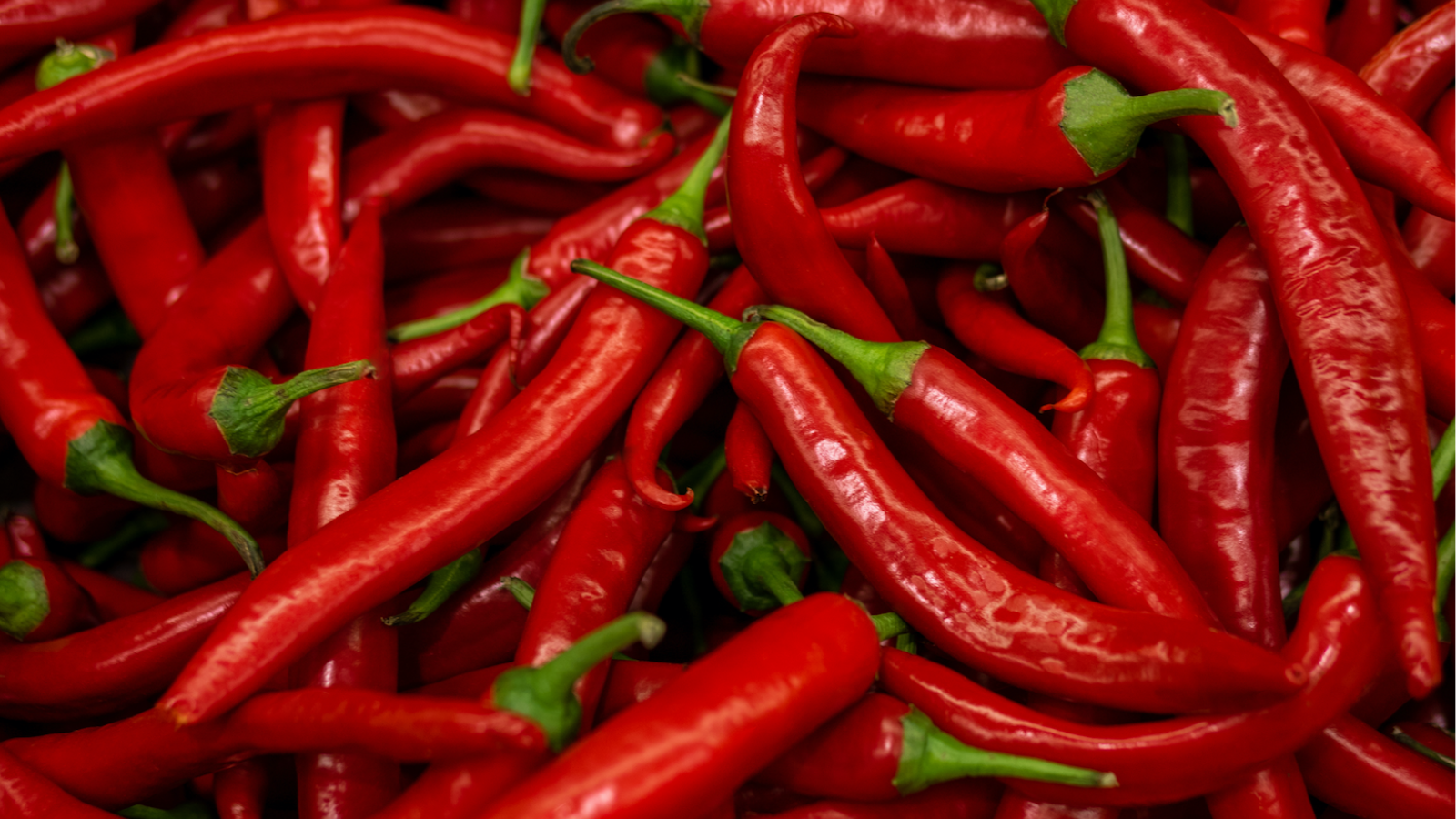
Chili Peppers
Ingredient: Capsaicin
Found in: Chili peppers
Yes or no: Yes
Why: Hopefully the summer garden has a bumper crop of chili peppers this season.
People who regularly eat chili peppers may live longer and can even reduce the risk of developing cardiovascular disease and cancer. The American Heart Association said that people who eat the spicy vegetables may reduce their developing risk of cardiovascular disease by more than a quarter (26%) and decrease cancer risk by 23%.
The reason why chili peppers can be healthy is because they contain a chemical compound called capsaicin. Often found in fruits, capsaicin offers anti-inflammatory, antioxidant, anticancer, and blood-glucose regulating benefits.
Uses: Chicken Fajitas, Queso dip, Pasta di Mare.

Olive oil
Ingredient: Antioxidants
Found in: Salads, cooking oil
Yes or no: Yes
Why: Might as well prepare all of your food with olive oil. Research has shown that daily use can dramatically reduce one’s risk of experiencing cognitive decline later in life, specifically Alzheimer’s disease, due to natural antioxidant properties and free radical exposure.
Olive oil contains a slew of antioxidants, including tocopherols, β-carotene, lutein, squalene, lipophilic and hydrophilic phenols.
Uses: Salad dressing, cooking oil, cheese drizzle, gelato, sandwich condiment.
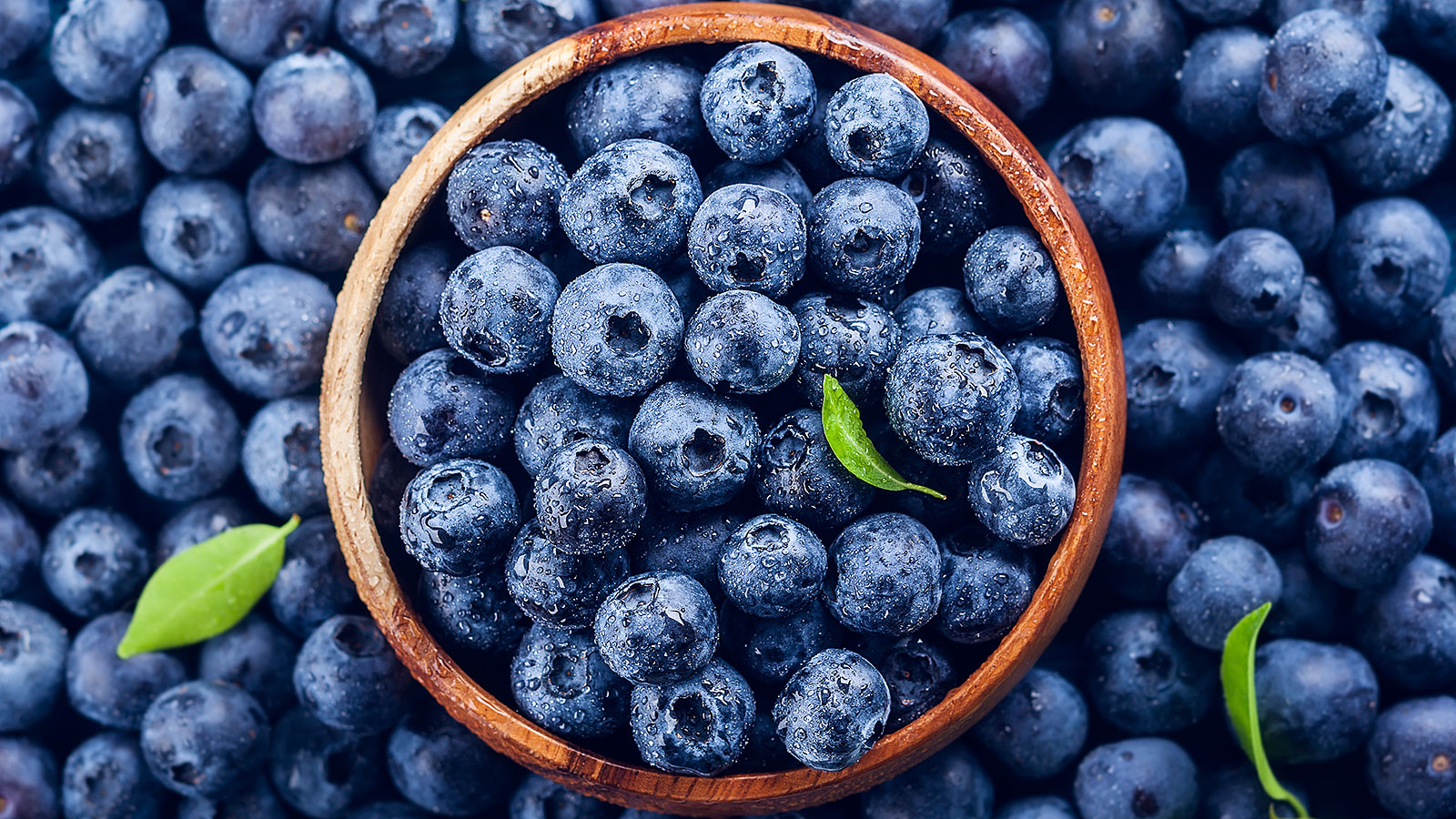
Blueberries
Ingredient: Vitamins, minerals, flavonoids, and carotenoids
Found in: Fruits and vegetables
Yes or no: Yes
Why: Want to lower your stress? Summer will help — but so does fruits and vegetables.
People who eat at least 470 grams of fruit and vegetables daily lowered stress levels by 10% compared to those that consumed 230 grams or less. If you’re a blueberries fanatic, that means four cups of blueberries daily can get you to the plateau of distressing yourself.
“Vegetables and fruits contain important nutrients such as vitamins, minerals, flavonoids and carotenoids that can reduce inflammation and oxidative stress, and therefore improve mental wellbeing,” researchers said.
This doesn’t solely apply to blueberries; all fruits and veggies will do the trick, according to the study.
Uses: Fruit salads, desserts.