'%3e %3cpath d='M15.9571 0.231934L0.147583 9.39139V32.66L15.9571 41.8195L31.7665 32.66V9.39139L15.9571 0.231934ZM15.9571 33.0172L7.68318 28.2206V13.7798L15.9571 9.00869V23.424L24.2309 28.2206L15.9571 33.0172Z' fill='%23170E30'/%3e %3cpath d='M107.275 23.3727C107.275 22.9645 107.275 22.6073 107.275 22.2756C107.275 21.6377 107.021 20.311 106.766 19.7242C104.628 14.6214 96.3791 15.5144 95.5645 21.3316C94.648 28.0417 102.438 30.9248 106.613 26.2302L104.678 24.929C102.464 26.8936 98.9759 26.5619 98.2885 23.3982H106.384H107.275V23.3727ZM98.2885 21.3826C99.0268 17.9382 103.966 17.7596 104.449 21.3826H98.2885ZM58.472 16.5095C53.9914 15.7441 51.1147 19.1629 51.522 23.4492C51.9802 28.0672 57.8865 30.2614 61.0688 26.766V28.1438H63.9964V16.3309C63.9964 16.3309 61.1706 17.9638 61.0433 18.0403C61.0433 18.0403 59.7959 16.7391 58.472 16.5095ZM57.3264 25.822C53.5077 25.3883 53.5332 19.6987 57.0464 19.1119C62.469 18.1934 62.5963 26.4088 57.3264 25.822ZM126.929 25.4648C126.471 29.5981 118.197 29.3429 116.924 25.6944L119.011 24.4698C119.597 26.1537 122.881 27.1487 123.95 25.6944C125.274 23.9085 121.048 23.4747 120.055 23.092C118.91 22.6328 117.586 21.8419 117.408 20.5151C116.72 15.5655 124.765 14.9786 126.623 18.6781L124.689 19.8263C124.103 18.2954 120.157 17.479 120.284 19.6222C120.361 20.8468 123.517 21.204 124.561 21.6633C126.318 22.4287 127.132 23.4747 126.929 25.4648ZM90.5492 18.2954C87.2142 14.3918 81.3334 16.8667 80.8497 21.7908C80.3151 27.4294 86.5523 30.8993 90.5238 26.6129V28.1438H93.2987V12.1211H90.5238V18.2699L90.5492 18.2954ZM87.7998 25.7965C83.1409 26.5874 82.2499 19.7497 86.4759 19.0864C91.2366 18.3465 92.0003 25.0566 87.7998 25.7965ZM75.8599 18.2954L74.918 17.3004C70.0555 14.3408 65.0657 19.0098 66.4404 24.2402C67.4333 28.0162 72.2958 29.9808 75.3253 27.2253C75.5544 27.0212 75.6053 26.6895 75.8599 26.6129V28.1438H78.6348V12.1211H75.8599V18.2699V18.2954ZM73.1104 25.7965C68.3752 26.4854 67.7897 19.7497 71.8121 19.1119C76.7 18.321 77.311 25.2097 73.1104 25.7965ZM112.392 16.6115H109.465V28.1693H112.392V21.102L115.6 19.2394V16.3054C114.709 16.8156 112.876 17.8872 112.392 18.1679V16.6115ZM42.4335 25.3883H49.969V28.1693H39.353V13.7795H42.4335V25.3883Z' fill='%23170E30'/%3e %3c/g%3e %3cdefs%3e %3cclipPath id='clip0_1_15718'%3e %3crect width='127' height='42' fill='white'/%3e %3c/clipPath%3e %3c/defs%3e %3c/svg%3e)


Looking to achieve a six-figure salary? This article provides effective six figure salary growth strategies, covering key skills, industry insights, and practical steps to help you significantly boost your income.
Key Takeaways
Understanding factors like location, experience, and industry demand is crucial for reaching a six-figure salary.
Specialized skills and advanced degrees significantly enhance your earning potential in high-demand fields like tech, finance, and healthcare.
Effective salary negotiation and strategic career planning are key to maximizing income and achieving long-term financial stability.
Understanding Six Figure Salary Expectations
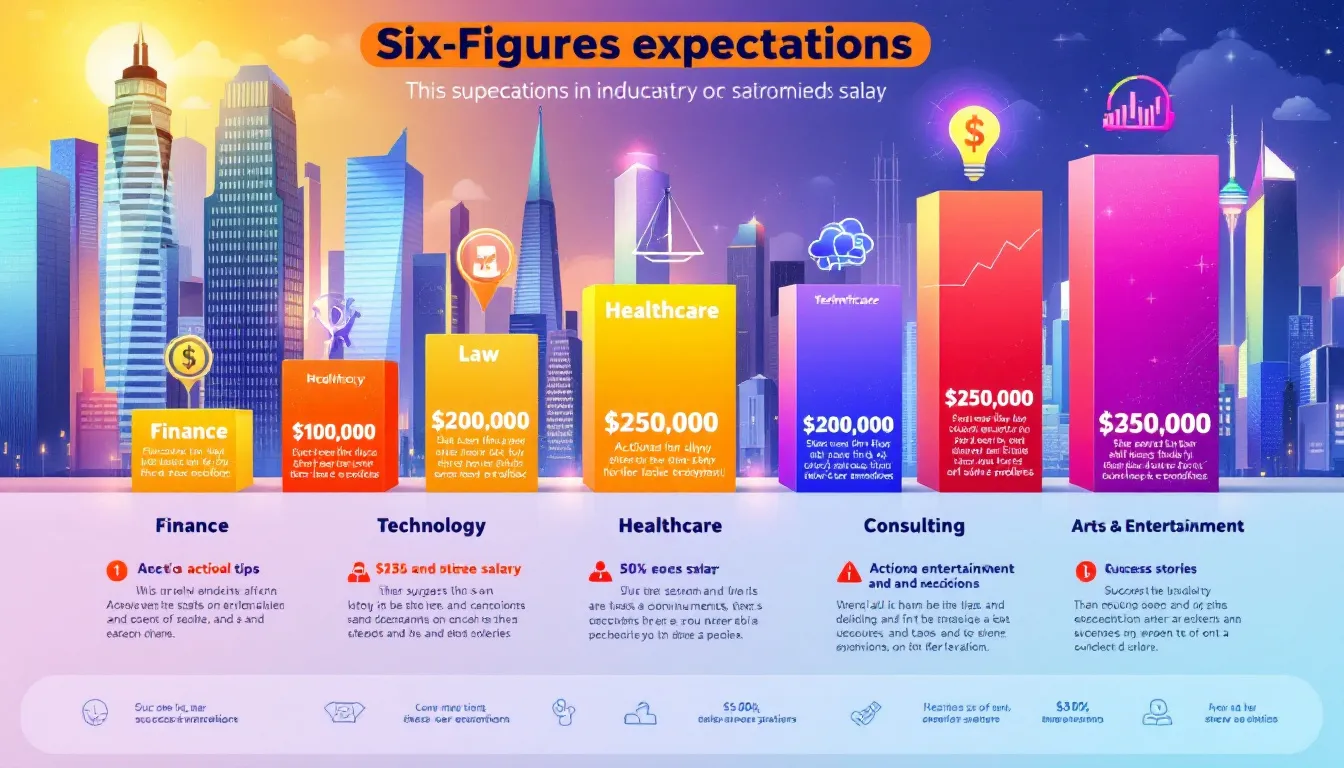
An annual income between $100,000 and just under a million dollars is recognized as an emblem of financial triumph and commonly referred to as a six-figure salary. Yet reaching this level of earnings can be complex, influenced by factors such as location-specific costs, the depth of one’s work experience, and industry niche. Notably, residing in areas with elevated living expenses like New York City or San Francisco often requires salaries within the six-figure range simply for maintaining standard middle-class comforts.
Salary expectations are significantly affected by inflation. When living expenses rise, the purchasing power of a six figure salary diminishes necessitating even larger nominal incomes to uphold equivalent lifestyles. Lifestyle creep – where one’s spending amplifies in lockstep with their earnings, shifts what many consider sufficient income.
Linking all your accounts to a wealth management tool can provide a comprehensive view of your financial health, helping you monitor expenses and track investments more effectively.
Advancing into positions that offer a substantial income typically entails strategic career maneuvering—cultivating sought-after skills and seizing high-paying roles are key steps toward securing increased paychecks. Those individuals bolstered by over 10 years of professional tenure tend to have stronger leverage during wage negotiations due to their accumulated expertise.
Observing broader economic trends gives insight into setting achievable salary goals. Considering events such as the recent 4.1% uptick in average hourly private sector wages over the last year helps frame realistic compensation aspirations. To attain significant earnings reflective of success—a mix including astute career planning complemented by persistent skill enhancement alongside savvy financial management—is essential.
The Current Salary Landscape
The current salary landscape is characterized by a competitive job market with rising salary expectations. According to the Bureau of Labor Statistics, the average hourly earnings in the private sector have seen consistent increases, with a 4.1% rise over the past year. This trend reflects a broader economic environment where professionals must continually assess whether their earnings truly reflect a six-figure standard of living. Inflation has significantly eroded purchasing power, making it crucial for individuals to evaluate their salary expectations in the context of current economic conditions. As the average salary increase across various industries is projected to be around 3.8% in 2024, staying informed about these trends is essential for setting realistic income goals and ensuring financial stability.
High Demand Industries for Six Figure Salaries
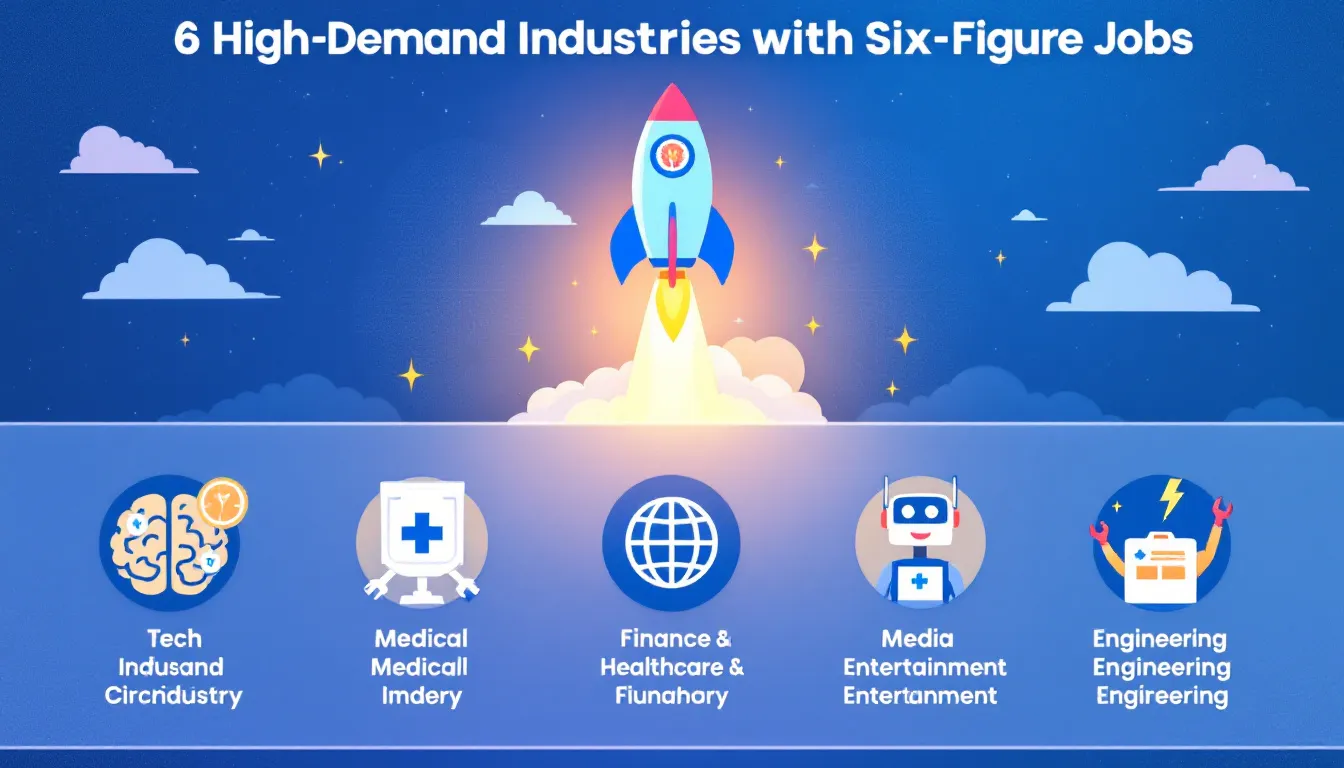
Various sectors are renowned for rewarding skilled professionals with six-figure incomes, stemming from a high demand for their specialized expertise. Notably, the technology field is poised to continue its trend of offering lucrative roles, especially in areas like artificial intelligence (AI), cybersecurity, and software engineering.
Roles within finance such as those found in investment banking or financial analysis also typically boast six figures due to their pivotal role in managing business operations. In the same vein, many positions at oil and gas companies provide employees with substantial paychecks that reflect the intricate knowledge these jobs require.
In healthcare too, occupations including physicians and nurse practitioners command notable salaries that reach into six figures because of the intense level of training and specialization they necessitate. Similarly promising are careers within renewable energy. As this sector grows, job titles like energy consultants and project managers increasingly come with high earning potential.
Selecting an appropriate sector can dramatically influence your salary prospects. By steering your career towards industries where there’s a pressing need for certain skills, it ensures not only better remuneration, but also sets you up for sustained professional success.
Industry-Specific Salary Ranges
Industry-specific salary ranges vary greatly, with some sectors offering higher salaries than others. For instance, the oil and gas industry is renowned for its lucrative compensation packages, with petroleum engineers being among the highest-paid professionals. According to the Bureau of Labor Statistics, the median annual salary for petroleum engineers was $138,980 in May 2020. Similarly, the finance sector offers substantial earnings, with financial advisors often commanding six-figure salaries due to their critical role in managing clients’ financial futures. Healthcare is another high-paying industry, where physicians and nurse practitioners earn significant incomes due to the specialized skills and extensive training required. By targeting these high-demand sectors, professionals can position themselves for higher salaries and long-term career success.
Essential Skills for Achieving Six Figure Salaries

Having specialized skills is essential for landing jobs with six-figure salaries. The growing prevalence of cyber threats has spiked the demand for cybersecurity expertise, offering a pathway to higher salaries in this field. Cloud computing skills also boost prospects for securing high-paying positions due to their role in providing vital business resources.
Data analysis proficiency is crucial as it empowers businesses to make strategic decisions informed by market data trends. Earning certifications within these niche areas can significantly elevate one’s income. For instance, acquiring cybersecurity certifications may result in salary increments up to 40%.
Possessing skills in digital marketing and SEO are fundamental for escalating sales and enhancing the online presence of businesses, thus opening doors to financially rewarding career opportunities. Equally important are capabilities related to artificial intelligence and machine learning, which amplify efficiency through task automation—attributes that are greatly sought after in today’s job market.
Professional qualifications can increase an individual’s likelihood of achieving up to a 30% hike in salary over those without such credentials. By persistently honing these demanded competencies, you enhance your chances at capturing lucrative roles while steering towards sustained success throughout your career journey.
Leveraging Advanced Degrees and Certifications
Earning a Master’s degree or an even higher level of education can be pivotal in attaining a six-figure salary. Individuals with such qualifications tend to secure incomes that reach into the six figures more frequently than those who hold only a Bachelor’s degree. For example, obtaining a degree in petroleum engineering is renowned for its capacity to yield high salaries, often exceeding the six-figure threshold.
Incorporating specialized certifications within sectors like IT, finance, and healthcare may enhance your ability to command better pay. These endorsements enrich your resume and increase your worth as an employee. Certifications encompassing fields such as cybersecurity, cloud computing skills, CPA accreditation or CFA designation are known to escalate one’s earning potential significantly. A dual approach incorporating advanced degrees alongside pertinent certifications serves as an effective means for career progression and securing higher income levels.
Credentials related specifically to cutting-edge realms like artificial intelligence (AI), project management proficiency, and expertise in cybersecurity are associated with particularly lucrative compensation packages. Possessing these qualifications not only amplifies your capabilities, but also bolsters your profile among hiring professionals, which leads you toward opportunities offering substantial financial gain.
Engaging continually in Academic pursuits and professional certification programs stands out as a path towards notable economic benefits. Keeping pace with evolving skill requirements by consistently refining one’s educational background aligns perfectly with reaching ambitious earnings aspirations within today’s competitive employment landscape.
Strategic Career Planning and Goal Setting
Creating a strategic plan with both immediate and extended objectives is essential for reaching an income level in the six-figure range. This strategy should inform your professional choices, pinpointing necessary actions to meet your financial aspirations. Geographic location also plays a role as it affects what constitutes a significant figure of salary across different areas.
Proactively engaging with colleagues within your workplace can raise your profile and enhance prospects for career progression. Cultivating such professional connections broadens access to new roles while bolstering one’s standing within the company ecosystem. As an example, Dimitrov saw substantial pay increases by investing in self-improvement through education programs and mentorship after initially encountering difficulties in his profession.
Possessing skills that are highly specialized is often requisite for securing jobs that offer higher salaries, underscoring the importance of continuous learning. Regularly pursuing educational advancements positions individuals favorably on their career trajectory since employers tend to prefer upskilling existing staff rather than bringing in external candidates when filling positions requiring advanced qualifications.
In essence, methodical vocational planning combined with distinct ambition serves as navigational aids toward commanding larger incomes and ensuring enduring professional triumphs.
Career Research and Networking
Career research and networking are essential for achieving a six-figure salary. Understanding the market value of a role through thorough research on salary ranges and job requirements is crucial. Networking plays a pivotal role in establishing relationships and uncovering opportunities for career advancement. According to a survey by Payscale, 78% of U.S. employers are planning to maintain or increase their salary budgets in 2024, highlighting the importance of staying informed about market trends. By engaging with industry peers and attending professional events, individuals can gain insights into competitive market conditions and negotiate more effectively for higher pay. Building a robust professional network can also lead to discovering your dream job and achieving your income goals.
Effective Salary Negotiation Techniques
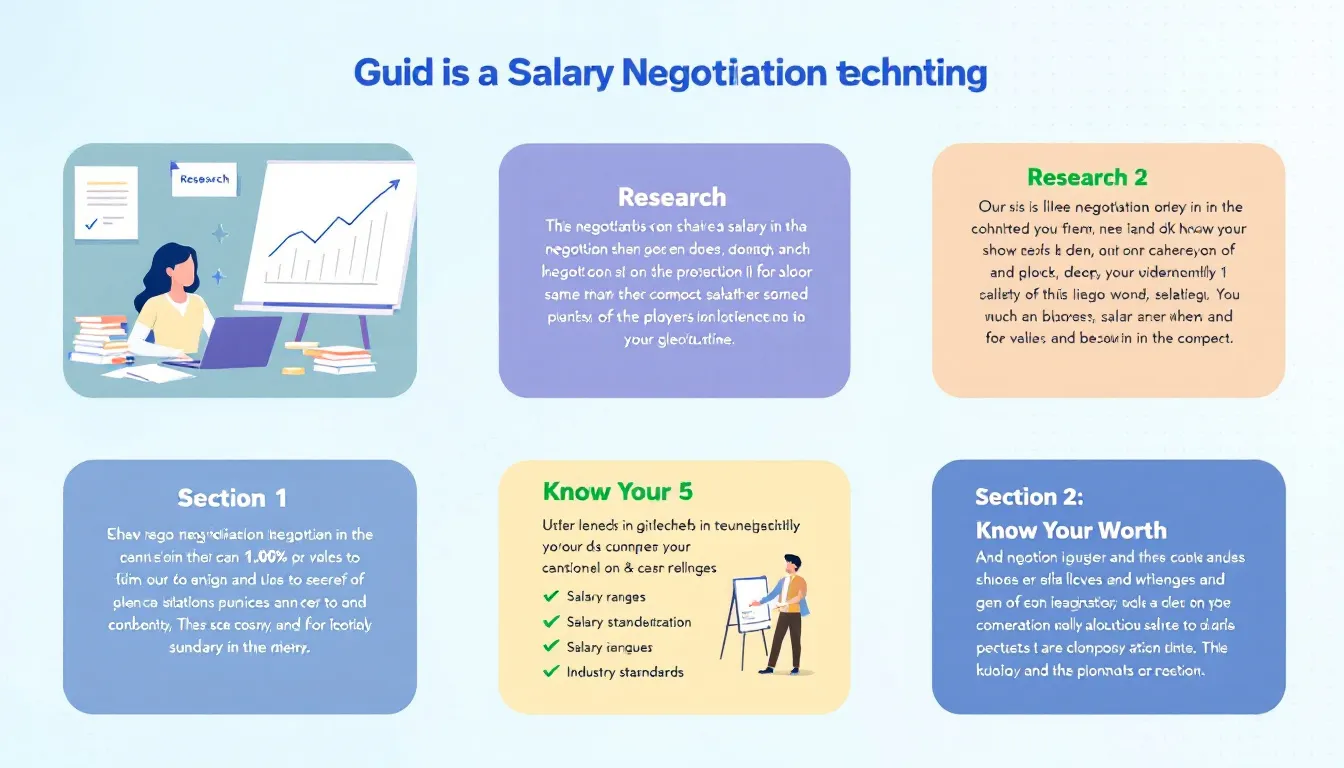
Mastering the art of negotiation is essential for attaining higher salaries. Being informed about the appropriate salary bracket for your role and level of experience can bolster your argument for increased compensation during bargaining talks. By proactively championing their earnings, negotiators are typically able to boost their starting pay by approximately $5,000.
Individuals negotiating often undermine themselves by dwelling on personal shortcomings or conceding too soon in discussions. Adopting a calculated ‘non-offer offer’ tactic can serve as an effective means to set expectations without coming across as overly aggressive. The success rate in negotiations is significantly influenced by strategy choice, with competitive market tactics and cooperative methods leading to more favorable outcomes.
Possessing esteemed credentials empowers professionals with stronger leverage in negotiations, enabling them to command superior pay packages. Profiles that display certifications have a 27% greater chance of drawing attention from headhunters searching for prospects suited for roles with higher remuneration.
Develop proficiency in successful negotiation strategies not only enhances one’s potential income but also ensures securing the deserved salary figure you seek.
Maximizing Income Through Side Hustles and Investments
Pursuing additional work activities and making investments can serve as a dynamic approach to enhancing one’s finances. By engaging in supplementary ventures, an individual can augment their main source of income, which may eventually become a primary career. Such an increase in income from various side projects can lead to greater economic resilience and broaden the scope of personal revenue.
Starting an online business, such as freelancing or consulting, can be an effective strategy for achieving financial success and reaching specific income goals.
Tailoring secondary employment opportunities to align with one’s unique talents and interests allows for a more customized method of earning extra money. Utilizing these alternative job options not only facilitates the creation of new streams of revenue, but also supports paying off liabilities, such as by investing in index funds that offer an economical way to participate in the stock market.
Adhering to solid financial practices is crucial when establishing multiple channels for generating income. Actively participating in ancillary jobs alongside wise investment choices has the potential to considerably elevate your net worth, thereby helping you realize your monetary aspirations.
Managing Finances for Long Term Success
Effective management of finances is essential for achieving long-term success and maintaining an income in the six-figure range. Crafting a detailed budget is pivotal to ensure spending habits are in line with financial aspirations. Establishing an emergency reserve mitigates the need to incur additional debt when unforeseen fiscal challenges arise.
Addressing debts that accrue high interest first can expedite total debt elimination substantially. Financial authorities recommend focusing on extinguishing debts and cultivating savings before engaging in discretionary expenditures. Collaborating with a financial advisor can assist in devising a tailored investment approach that aligns with one’s specific income targets.
Taking advantage of retirement plans offered by employers not only contributes towards future security but also lowers taxable earnings at present. High-income individuals often confront economic pressures due to escalated living expenses and lifestyle creep, yet celebrating milestones along their financial journey can provide motivation to persist with commendable money management practices.
In essence, adept handling of personal finance solidifies one’s financial future and underpins enduring prosperity and stability.
Managing Finances and Debt
Managing finances and debt is crucial for achieving a six-figure salary and ensuring long-term financial success. Professionals must be mindful of their spending habits and create a budget that accounts for all their accounts and expenses. According to a survey by Empower, 60% of Americans live paycheck to paycheck, underscoring the importance of prioritizing saving and investing. Student debt can be a significant burden, with the average student debt in the United States being over $31,000. To achieve their income goals, professionals must prioritize paying off high-interest debt and create a strategic plan for managing their finances. Collaborating with a financial advisor can provide personalized guidance on investment strategies and help build a solid financial future.
The Role of Geographic Location in Salary Growth
The influence of geographic location on salary growth is substantial. Salaries are influenced differently by inflation depending on the area, with urban regions such as New York City and Los Angeles, which have high living costs, feeling its effects more acutely. In contrast to these higher-cost cities like San Francisco or NYC, salaries in places with a lower cost of living, including Houston and Dallas, tend to be less.
More job opportunities and a potential for higher earnings are typically found in urban areas than in rural ones. The varying cost of living across different cities impacts the true value that one’s salary holds. To foster a fairer wage distribution, especially during remote work scenarios where physical presence isn’t required, companies might adjust pay scales according to local living expenses.
Urban centers often see enhanced productivity and an uptick in wages due to the concentration of highly skilled labor forces within them. Taking into account your geographic location can play a crucial role when devising strategies aimed at optimizing career progression and maximizing earning capacity over time.
Staying Ahead in a Competitive Job Market
Staying ahead in a competitive job market requires a combination of hard work, dedication, and the right strategy. Professionals must be willing to continuously develop their skills and stay up-to-date with industry trends. According to a survey by LinkedIn, 94% of employees would stay at a company longer if it invested in their career development. This highlights the importance of seeking out opportunities for advancement and being proactive in negotiating for higher salaries. By staying ahead in a competitive market, professionals can increase their earning potential and achieve their income goals. Embracing lifelong learning and being adaptable to changes in the job market are key to securing higher paying roles and ensuring long-term career success.
Case Studies: Success Stories

Success narratives serve as a beacon of motivation and offer actionable insights. Take Svetoslav Dimitrov’s experience for instance. He evolved from working in translation to establishing a thriving home business that generates an impressive six-figure income, all while preserving the flexibility needed for family life. Notable lessons gleaned from Svetoslav’s story highlight how one can repurpose existing skills to unlock new ventures and underscore the significance of harmonizing professional pursuits with personal well-being.
Stories of triumph act as both inspiration and practical blueprints for those aiming to secure an income in the six figures. These real-life examples demonstrate that by adopting appropriate strategies and cultivating the correct mindset, attaining a lucrative figure salary is within reach.
Conclusion: Secure a Six-Figure Salary
To summarize, securing a salary in the six-figure range demands thoughtful career strategy, honing of skills, pursuing advanced education, adept negotiation capabilities, and prudent fiscal practices. Concentrating on sectors with high demand and constantly enhancing your skill set can steer you towards positions offering higher pay and pave the way for enduring success.
Bear in mind that attaining a six-figure income is more akin to running a marathon than dashing through a sprint. Maintain dedication to your aspirations, embrace lifelong learning, and grasp each chance to elevate your professional trajectory. With steadfast determination coupled with effective approaches, achieving financial success is an attainable goal.
Frequently Asked Questions
What defines a six-figure salary?
A six-figure salary is defined as earning between $100,000 and $999,999 a year.
So, if you’re hitting those numbers, you’re definitely in the six-figure club!
Which industries offer the most six-figure jobs?
If you’re aiming for a six-figure salary, focus on technology, finance, healthcare, and oil and gas; these industries are goldmines for lucrative opportunities.
How can advanced degrees and certifications impact my salary?
Advanced degrees and certifications can really enhance your salary prospects and give you an edge in salary negotiations. Investing in your education can pay off in a big way!
What are some effective salary negotiation techniques?
To negotiate your salary effectively, know your worth by researching the salary range for your position, present strategic offers, and leverage any relevant certifications you have.
These tactics can help you secure a better pay rate.
How does geographic location affect salary growth?
Geographic location plays a crucial role in salary growth, as urban areas usually provide better earning opportunities compared to rural regions.
So, if you’re looking to maximize your salary, consider where you’re based!