'%3e %3cpath d='M15.9571 0.231934L0.147583 9.39139V32.66L15.9571 41.8195L31.7665 32.66V9.39139L15.9571 0.231934ZM15.9571 33.0172L7.68318 28.2206V13.7798L15.9571 9.00869V23.424L24.2309 28.2206L15.9571 33.0172Z' fill='%23170E30'/%3e %3cpath d='M107.275 23.3727C107.275 22.9645 107.275 22.6073 107.275 22.2756C107.275 21.6377 107.021 20.311 106.766 19.7242C104.628 14.6214 96.3791 15.5144 95.5645 21.3316C94.648 28.0417 102.438 30.9248 106.613 26.2302L104.678 24.929C102.464 26.8936 98.9759 26.5619 98.2885 23.3982H106.384H107.275V23.3727ZM98.2885 21.3826C99.0268 17.9382 103.966 17.7596 104.449 21.3826H98.2885ZM58.472 16.5095C53.9914 15.7441 51.1147 19.1629 51.522 23.4492C51.9802 28.0672 57.8865 30.2614 61.0688 26.766V28.1438H63.9964V16.3309C63.9964 16.3309 61.1706 17.9638 61.0433 18.0403C61.0433 18.0403 59.7959 16.7391 58.472 16.5095ZM57.3264 25.822C53.5077 25.3883 53.5332 19.6987 57.0464 19.1119C62.469 18.1934 62.5963 26.4088 57.3264 25.822ZM126.929 25.4648C126.471 29.5981 118.197 29.3429 116.924 25.6944L119.011 24.4698C119.597 26.1537 122.881 27.1487 123.95 25.6944C125.274 23.9085 121.048 23.4747 120.055 23.092C118.91 22.6328 117.586 21.8419 117.408 20.5151C116.72 15.5655 124.765 14.9786 126.623 18.6781L124.689 19.8263C124.103 18.2954 120.157 17.479 120.284 19.6222C120.361 20.8468 123.517 21.204 124.561 21.6633C126.318 22.4287 127.132 23.4747 126.929 25.4648ZM90.5492 18.2954C87.2142 14.3918 81.3334 16.8667 80.8497 21.7908C80.3151 27.4294 86.5523 30.8993 90.5238 26.6129V28.1438H93.2987V12.1211H90.5238V18.2699L90.5492 18.2954ZM87.7998 25.7965C83.1409 26.5874 82.2499 19.7497 86.4759 19.0864C91.2366 18.3465 92.0003 25.0566 87.7998 25.7965ZM75.8599 18.2954L74.918 17.3004C70.0555 14.3408 65.0657 19.0098 66.4404 24.2402C67.4333 28.0162 72.2958 29.9808 75.3253 27.2253C75.5544 27.0212 75.6053 26.6895 75.8599 26.6129V28.1438H78.6348V12.1211H75.8599V18.2699V18.2954ZM73.1104 25.7965C68.3752 26.4854 67.7897 19.7497 71.8121 19.1119C76.7 18.321 77.311 25.2097 73.1104 25.7965ZM112.392 16.6115H109.465V28.1693H112.392V21.102L115.6 19.2394V16.3054C114.709 16.8156 112.876 17.8872 112.392 18.1679V16.6115ZM42.4335 25.3883H49.969V28.1693H39.353V13.7795H42.4335V25.3883Z' fill='%23170E30'/%3e %3c/g%3e %3cdefs%3e %3cclipPath id='clip0_1_15718'%3e %3crect width='127' height='42' fill='white'/%3e %3c/clipPath%3e %3c/defs%3e %3c/svg%3e)


If you’re a high earner contemplating a shift in your career path and concerned about preserving or enhancing your income levels, this piece is tailored for you. It offers strategic advice on executing a successful career pivot that caters to the financial aspirations of high earners. Embrace the desire for transformation, assess your current financial situation, and understand the career change process, including creating a transition budget and building an emergency fund, to navigate through change effectively. Delve into this article to discover avenues that hold promise for sustaining high income and construct an all-encompassing plan for your professional journey.
Key Takeaways
Recognizing emotional dissatisfaction and aligning career goals with personal values is crucial for initiating a successful career pivot.
Thorough financial assessment and planning, including establishing an emergency fund, are essential steps before making a career change.
Utilizing transferable skills and continuous learning significantly enhances job marketability and opens doors to high-income potential career paths.
Understanding Career Pivots and Career Changes
What is a Career Pivot?
A career pivot is a strategic career move that involves leveraging your existing skills, experience, and network to transition into a new role or industry. Unlike a complete career change, a career pivot builds upon your current foundation, allowing you to adapt to changing job market demands and pursue new opportunities. By pivoting, you can refresh your career, increase job satisfaction, and potentially boost your earning potential.
Why Consider a Career Pivot in Today’s Job Market?
In today’s fast-paced and ever-evolving job market, career pivots have become increasingly common. With technological advancements, shifting industry trends, and the rise of the gig economy, professionals must be agile and adaptable to remain competitive. A career pivot can help you:
Stay relevant in a rapidly changing job market
Pursue new challenges and opportunities
Enhance your skills and expertise
Increase your earning potential
Improve job satisfaction and overall well-being
By considering a career pivot, you can proactively manage your career, stay ahead of the curve, and achieve your long-term goals.
Recognizing the Need for a Career Pivot

Acknowledging the necessity of a career transition is a critical initial step towards achievement. Persistent feelings of discontent and undervaluation in one’s current job often suggest that it may be time for a significant shift. Many individuals in America grapple with unhappiness at work, which can profoundly affect overall job satisfaction and contribute to long-standing mental and physical health problems, as evidenced by the fact that 20% of Americans suffer from mental health issues due to workplace dissatisfaction.
Emotions such as emotional numbness, apathy, irritation, and dejection typically signal that making a career change might be imperative. Such emotions are usually rooted in the mismatch between someone’s ambitions for their careers versus what they experience day-to-day at work—resulting not just in ennui but also psychological exhaustion. Frequently pondering different potential career trajectories may indicate an underlying yearning for change aimed at personal enhancement.
In pursuing a successful transition professionally, confronting fears and reservations becomes essential. To steer through this course adeptly requires more than merely recognizing job-related discontent—it necessitates welcoming new possibilities along with finding vocations better suited to your professional aims and core principles. Identifying these indicators early on then taking action deliberately sets you up for well-informed decisions regarding your profession that pave the way to heightened contentment within your role as well as upward mobility.
Ultimately, embracing recognition when it comes to reorienting one’s professional direction entails sincere self-reflection about whether or not current occupational pursuits still resonate with who you aim to become. This keen sense of awareness marks commencement toward enacting impactful changes leading not only down paths rich with opportunities, but also enhances both personal welfare alongside vocational prosperity.
Assessing Your Current Financial Situation
Before embarking on a career change, it’s essential to take stock of your financial situation. This involves analyzing your income against outgoings to determine where you stand financially. Being aware of this baseline is instrumental in navigating the potential economic fluctuations that come with making a career pivot.
To buffer yourself against uncertainties during this period of transition, accumulate an emergency reserve sufficient for three to six months’ worth of living costs. It’s important to weigh up the financial consequences associated with parting ways with employer-sponsored health coverage and moving towards personal insurance plans as these shifts can have a substantial effect on your finances. Adjustments may also be necessary regarding retirement contributions and savings strategies when shifting careers.
Conducting an exhaustive review of one’s financial condition before changing careers equips one with the knowledge needed for setting attainable goals and making well-informed decisions about pursuing new job prospects. Strategic planning is crucial to ensure that your career transition not only brings personal satisfaction but also leads to significant financial growth over time. Adopting such forward-thinking measures ensures you are economically prepared for both seizing fresh opportunities and adapting to any resultant life changes.
Leveraging Transferable Skills for New Opportunities
Leveraging transferable skills is essential for a smooth transition during a career pivot. These adaptable competencies can be applied in various roles and sectors, making them an asset in the ever-changing job market. The ability to flexibly apply one’s skill set often takes precedence over specific professional titles, which is why employers prize these attributes.
Key transferable skills that are prized across professions include critical thinking, effective communication, collaborative teamwork, adept project management abilities, and interpersonal soft skills. By examining different job listings, you can pinpoint which of your versatile capabilities align with the requirements of potential new positions. Technical skills such as proficiency in data analysis or cloud computing expertise are also crucial in supporting role transitions, highlighting their importance in career changes.
In order to successfully change careers while highlighting your multifaceted talents, it’s beneficial to illustrate tangible outcomes and accomplishments from previous employment settings. This tactic does more than display prior work experience. It gives prospective hiring managers insight into what you might contribute to their company.
Ultimately when considering changing paths within your professional life remember that pivoting hinges on reapplying what you already possess rather than rebuilding from scratch. Focusing on fluidly transferring existing abilities permits embracing fresh challenges confidently thus steering your career towards fulfilling personal ambitions.
Exploring High-Income Potential Career Paths
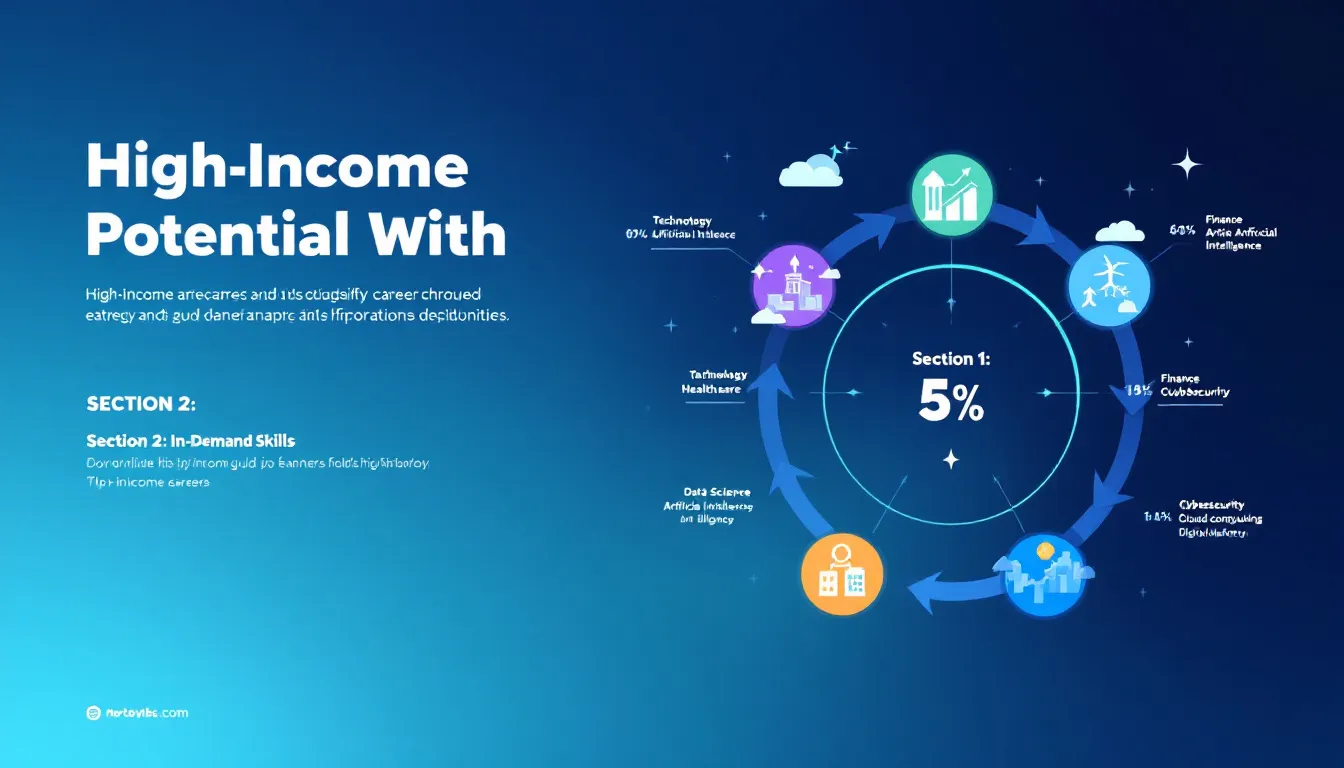
Navigating through potential career paths for higher earnings is a key consideration when contemplating a change in careers. Possessing skills that are highly sought after by businesses, such as those involving artificial intelligence, machine learning, and cybersecurity, can result in substantial income due to their pivotal function in addressing intricate issues spanning multiple sectors.
Skills related to sales and business development form the core of catalyzing growth within companies and frequently pave the way towards well-compensated roles. Project management expertise carries immense value across all industries by mitigating financial losses and optimizing resource utilization. Cultivating a robust professional identity not only opens up wider job prospects but also sets the stage for profitable consultancy opportunities.
Investigating alternative income options like side hustles can diversify revenue streams while reinforcing your specialization area—boosting overall appeal in the job market. Utilizing data from sources such as labor statistics provided by government agencies or sector-specific studies equips individuals with vital insights necessary for making astute choices about their career journey that align with aspirations of fiscal advancement.
Developing a Comprehensive Career Plan
Creating a detailed career plan is crucial for effectively transitioning to a new career path. Establish clear, short-term and long-term objectives that adhere to the SMART criteria, thereby improving both the specificity and trackability of your professional goals. Start by defining broad, long-range ambitions before subdividing them into smaller, more manageable milestones.
Conducting an in-depth self-evaluation is essential within this stage. Examine your existing talents and competencies closely. Reflect on what aspects of your current position you find fulfilling or unsatisfying. Investigate the sector or domain you’re contemplating moving into so as to gain insight into potential career opportunities while pinpointing any skill deficiencies or lack of experience required for those roles. Augmenting your profile with additional qualifications through training initiatives and leveraging online materials can make you more appealing to future employers.
Implementing an organized approach for initiating this change, replete with explicit benchmarks for assessing advancement, is critical for realizing a successful shift in careers. Pursuing Education or specialized training can significantly enhance one’s capabilities, which may lead not only to novel vocational avenues but also potentially higher earnings prospects. Ensuring that personal principles and enthusiasms are mirrored within your chosen vocation will assist in making well-informed choices leading ultimately towards greater fulfillment professionally.
Investing in Continuous Learning and Skill Development
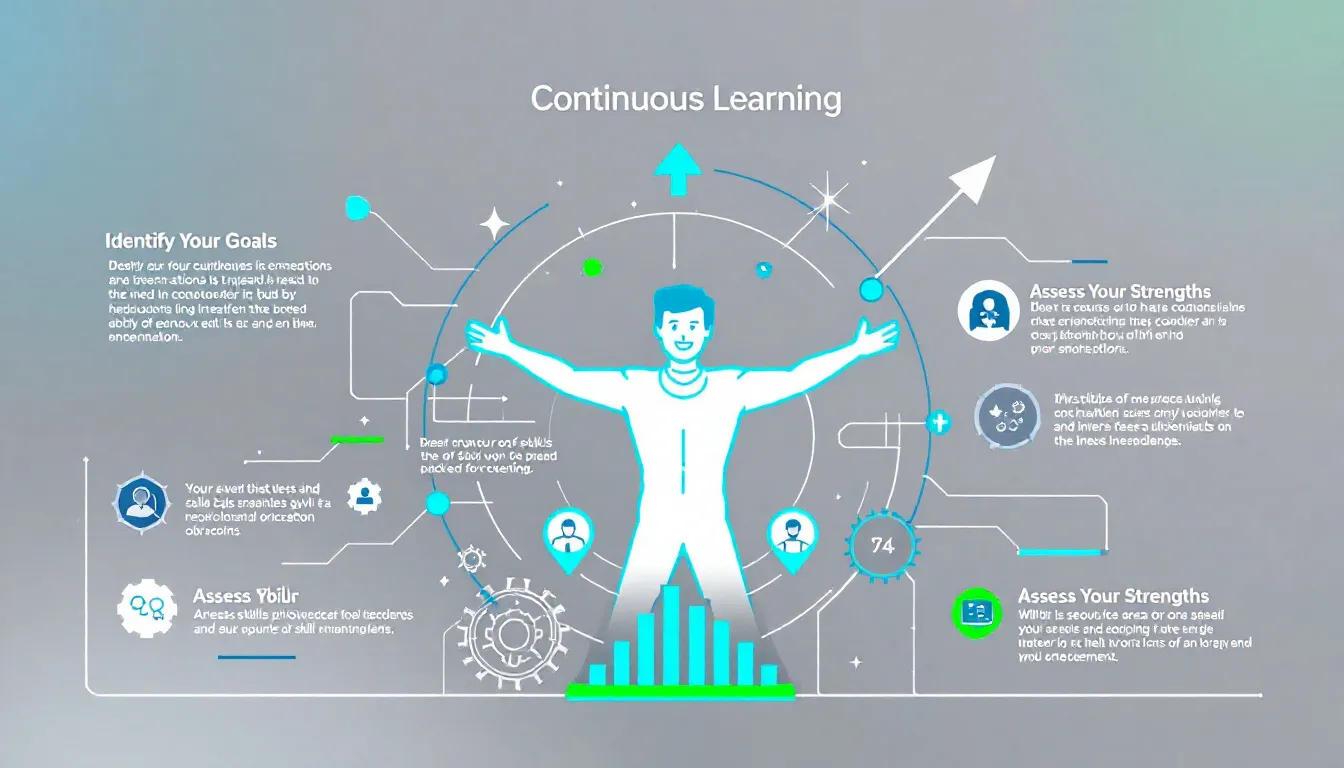
Keeping pace with the changing employment terrain, particularly within industries powered by technology, necessitates ongoing education. Companies that foster an environment of perpetual learning bolster their employees’ competitiveness and adaptability. Gaining new competencies through continual education enhances prospects for climbing the career ladder and securing increased pay.
Investing in Training has the potential to boost your income over time, justifying initial expenditures. Crafting a strategic plan for personal growth that details target abilities can aid in sharing your aspirations for development with colleagues and superiors.
Engaging in consistent educational activities provides opportunities for networking and strengthens collaborative efforts among co-workers. By cultivating lucrative capabilities via online courses, you stand to elevate your earning capacity, ensure greater job stability, and drive forward your professional trajectory.
Networking Strategically for Career Advancement
Strategic networking is a formidable instrument for progressing in one’s career. It’s vital to engage in networking and refreshing your professional materials when considering a shift in your career trajectory. Establishing connections through networking can result in obtaining job opportunities and recommendations.
Participation in groups related to your profession, as well as presence at industry events, can increase your profile and foster contacts within the sector you’re targeting. Offering volunteer services within pertinent organizations is not only beneficial for extending your network, but also allows you to demonstrate your abilities.
Platforms such as LinkedIn serve as important avenues for professional connectivity, offering substantial potential for expanding one’s network of contacts. Effective networking might lead to discovery of job vacancies that haven’t been publicly announced, providing a significant edge in the pursuit of employment opportunities.
Seeking Professional Advice and Mentorship
Guidance from seasoned professionals and mentorship play a vital role when shifting careers. Such advisors or career coaches are instrumental in refining current abilities and cultivating additional competencies specific to your intended career trajectory. They deliver valuable insights and understanding, which is particularly beneficial as you step into an unfamiliar industry.
Securing the right mentor requires clarity on your professional aspirations so that their expertise aligns with your objectives. Tapping into the knowledge of past teachers can be fruitful for obtaining valuable guidance since they frequently show willingness to support their former pupils.
The pursuit of mentorship has the potential to significantly enrich the process of transitioning to a new career by offering insights that greatly improve your prospects for achievement.
Evaluating the Financial Implications of a Career Pivot
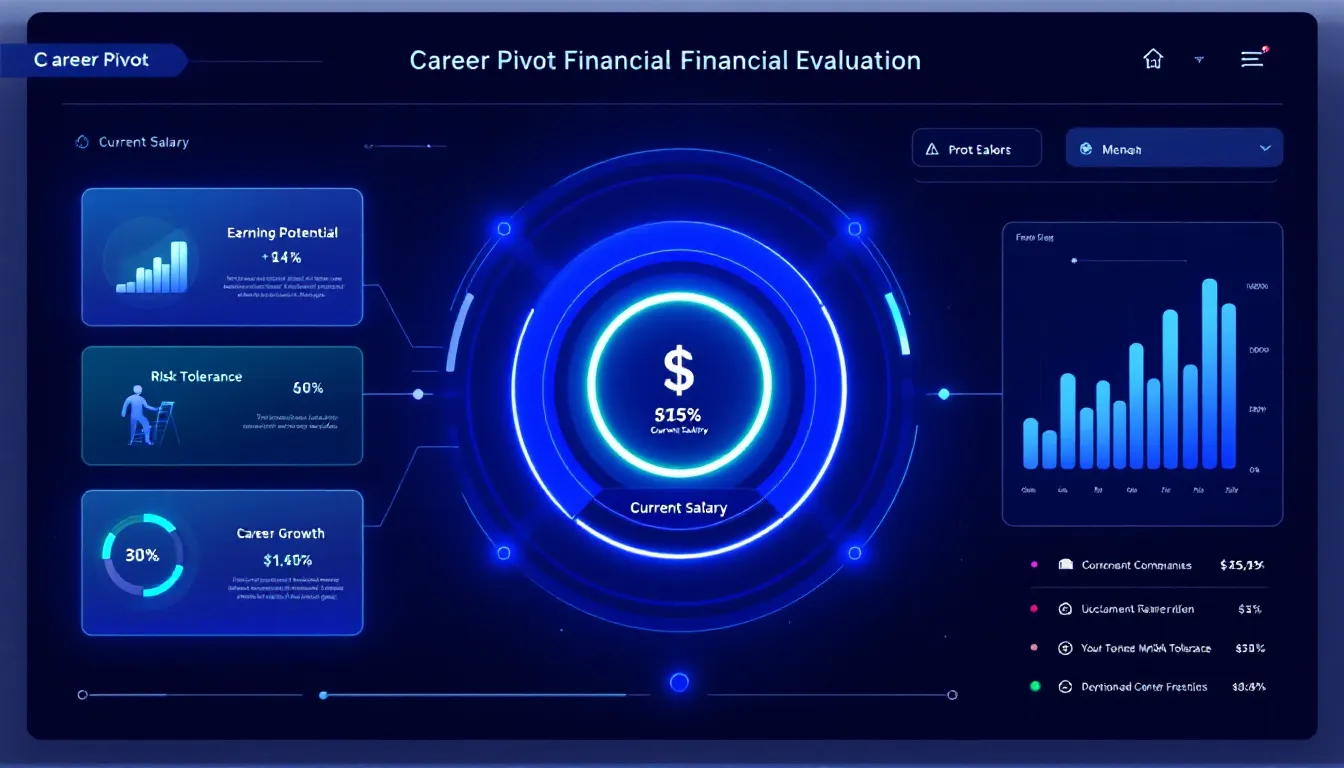
Understanding the financial consequences is an essential element of the career change journey. Crafting a comprehensive budget will enable you to grasp your economic standing throughout this transition phase. Establishing monetary objectives can help structure your budgeting approach and provide fiscal milestones that signal when it’s appropriate to embark on a career shift.
It’s important to calculate costs associated with making a career move, which may include expenses for additional training or necessary equipment. Preparing for changes in income levels, especially when moving into different compensation models like freelancing, is vital. It’s equally crucial to identify and mitigate risks related to potential income instability as part of planning for your career pivot.
Seek out financial support options such as scholarships, grants, loans, or educational assistance programs that could alleviate the cost burden of Education or skill development required by your new path. Maintaining savings sufficient enough to cover three- to six months’ worth of outgoings provides critical cushioning during periods without steady income from work. In the long term perspective, pursuing a career alteration should ideally result in enhanced economic well-being.
Preparing for Job Search and Application Process
It’s crucial to thoroughly prepare for the process of job hunting and applying if you’re aiming to make a transition in your career. It’s important that your resume and cover letter are customized for each individual job opportunity, as this can greatly increase your chances of success. Honing your interview techniques can significantly boost both performance and self-assurance when facing actual interviews.
Doing homework on prospective employers by investigating their industry presence, financial status, and company culture is also key. After acquiring the necessary skills set required for a new role along with managing personal finances efficiently, embarking upon the journey of finding a new job becomes pertinent. Such meticulous preparation positions you strongly to traverse the complexities of today’s job market towards securing an employment path in sync with what you envision for your future career.
Overcoming Obstacles and Staying Motivated
Staying Motivated and Focused on Your Career Goals
Embarking on a career pivot or change can be daunting, but it’s essential to stay motivated and focused on your goals. Here are some strategies to help you overcome obstacles and maintain momentum:
Set clear and achievable goals: Break down your long-term goals into smaller, manageable objectives. Celebrate your successes along the way to stay motivated.
Develop a growth mindset: Embrace challenges as opportunities for growth and learning. Focus on developing new skills and expertise.
Build a support network: Surround yourself with people who encourage and support your career aspirations. Attend industry events, join professional organizations, and connect with mentors or coaches.
Practice self-care: Take care of your physical, emotional, and mental well-being. Regular exercise, healthy eating, and sufficient sleep can help you stay energized and focused.
Stay positive and resilient: View setbacks as temporary obstacles. Focus on solutions rather than problems, and maintain a positive attitude.
By staying motivated and focused, you can overcome obstacles and achieve a successful career pivot or change. Remember to be patient, persistent, and kind to yourself throughout the process.
Embracing Change for Personal and Professional Growth
It’s crucial to welcome change as a vital component for both personal advancement and career development. Viewing any difficulties encountered while transitioning careers through the lens of learning opportunities and moments for introspection is important. Maintaining flexibility during a career pivot can be an asset, acknowledging that such changes need not be irreversible.
Altering one’s career path has the potential to bring about greater contentment in one’s job, enhance personal growth, and boost earning possibilities. A successful career change doesn’t necessarily entail departing from your present employer. Sometimes pursuing different roles within the same company can yield positive results. By being receptive to change, you position yourself to unlock new prospects that could pave the way toward a satisfying and prosperous professional transformation.
Conclusion: Transform Your Life with a Career Change
Embarking on a career change entails acknowledging the necessity for transformation and examining the economic consequences. It requires capitalizing on applicable transferable skills, investigating lucrative potential careers, and formulating an exhaustive plan for your new professional direction. Committing to ongoing education, intentional networking efforts, soliciting expert guidance, and getting ready for employment opportunities are essential components of this process. By embracing such changes with open arms, one can foster both personal development and progress toward a triumphant transition in their career journey.
Frequently Asked Questions
What are common signs that indicate a need for a career change?
Chronic dissatisfaction and feelings of being undervalued are clear indicators that you may need a career change. If you’re frequently contemplating alternative paths, it’s time to reassess your professional journey.
How important is it to assess your current financial situation before a career pivot?
Before making a career pivot, evaluating your current financial situation is crucial. This evaluation helps you grasp your monetary status and prepare for possible shifts in earnings. By doing so, you can establish attainable financial objectives and manage the transition with greater proficiency.
What are transferable skills, and why are they important in a career pivot?
Transferable skills are versatile abilities applicable across different roles and industries, crucial for a successful career pivot. They help to leverage your existing expertise, facilitating a smoother transition into new opportunities.
How can continuous learning impact career growth?
Continuous learning significantly enhances career growth by ensuring you remain competitive and adaptable, leading to better advancement opportunities and higher salaries.
Embracing this mindset is crucial for long-term success in your career.
Why is seeking professional advice and mentorship important during a career transition?
Seeking professional advice and mentorship is crucial during a career transition as it offers essential guidance and support, helping you navigate challenges and align your skills with your new career goals.
This targeted assistance significantly enhances your chances of success in the transition.