'%3e %3cpath d='M15.9571 0.231934L0.147583 9.39139V32.66L15.9571 41.8195L31.7665 32.66V9.39139L15.9571 0.231934ZM15.9571 33.0172L7.68318 28.2206V13.7798L15.9571 9.00869V23.424L24.2309 28.2206L15.9571 33.0172Z' fill='%23170E30'/%3e %3cpath d='M107.275 23.3727C107.275 22.9645 107.275 22.6073 107.275 22.2756C107.275 21.6377 107.021 20.311 106.766 19.7242C104.628 14.6214 96.3791 15.5144 95.5645 21.3316C94.648 28.0417 102.438 30.9248 106.613 26.2302L104.678 24.929C102.464 26.8936 98.9759 26.5619 98.2885 23.3982H106.384H107.275V23.3727ZM98.2885 21.3826C99.0268 17.9382 103.966 17.7596 104.449 21.3826H98.2885ZM58.472 16.5095C53.9914 15.7441 51.1147 19.1629 51.522 23.4492C51.9802 28.0672 57.8865 30.2614 61.0688 26.766V28.1438H63.9964V16.3309C63.9964 16.3309 61.1706 17.9638 61.0433 18.0403C61.0433 18.0403 59.7959 16.7391 58.472 16.5095ZM57.3264 25.822C53.5077 25.3883 53.5332 19.6987 57.0464 19.1119C62.469 18.1934 62.5963 26.4088 57.3264 25.822ZM126.929 25.4648C126.471 29.5981 118.197 29.3429 116.924 25.6944L119.011 24.4698C119.597 26.1537 122.881 27.1487 123.95 25.6944C125.274 23.9085 121.048 23.4747 120.055 23.092C118.91 22.6328 117.586 21.8419 117.408 20.5151C116.72 15.5655 124.765 14.9786 126.623 18.6781L124.689 19.8263C124.103 18.2954 120.157 17.479 120.284 19.6222C120.361 20.8468 123.517 21.204 124.561 21.6633C126.318 22.4287 127.132 23.4747 126.929 25.4648ZM90.5492 18.2954C87.2142 14.3918 81.3334 16.8667 80.8497 21.7908C80.3151 27.4294 86.5523 30.8993 90.5238 26.6129V28.1438H93.2987V12.1211H90.5238V18.2699L90.5492 18.2954ZM87.7998 25.7965C83.1409 26.5874 82.2499 19.7497 86.4759 19.0864C91.2366 18.3465 92.0003 25.0566 87.7998 25.7965ZM75.8599 18.2954L74.918 17.3004C70.0555 14.3408 65.0657 19.0098 66.4404 24.2402C67.4333 28.0162 72.2958 29.9808 75.3253 27.2253C75.5544 27.0212 75.6053 26.6895 75.8599 26.6129V28.1438H78.6348V12.1211H75.8599V18.2699V18.2954ZM73.1104 25.7965C68.3752 26.4854 67.7897 19.7497 71.8121 19.1119C76.7 18.321 77.311 25.2097 73.1104 25.7965ZM112.392 16.6115H109.465V28.1693H112.392V21.102L115.6 19.2394V16.3054C114.709 16.8156 112.876 17.8872 112.392 18.1679V16.6115ZM42.4335 25.3883H49.969V28.1693H39.353V13.7795H42.4335V25.3883Z' fill='%23170E30'/%3e %3c/g%3e %3cdefs%3e %3cclipPath id='clip0_1_15718'%3e %3crect width='127' height='42' fill='white'/%3e %3c/clipPath%3e %3c/defs%3e %3c/svg%3e)

- 78% of employers say they already monitor what their employees do from home.
- Surveillance has increased in the past six months
- 46% of employers have used stored recordings to fire someone — and it can be used in performance reviews.
With companies extending remote-work policies and adopting hybrid work plans, workers should expect their bosses to be keeping a close eye on them while they work.
Seventy-eight percent of bosses said they are already watching their employees from home, according to a recent study by ExpressVPN. The rise in the surveillance of employees can likely be attributed to long-term work-from-home policies being implemented (57% said they’ve started using employee monitoring software in the past six months). This means workers should be on their toes at all times.
Everything you do is being monitored
Did you send a risky Slack message to a teammate complaining about your boss? Was Zoom still recording when you starting ranting about your co-worker?
While it’s easy to assume that any mistake you make while using company-related devices and programs can be forgotten, workers should know that everything is being recorded — and it can be used against you.
Forty-six percent of employers said they have used stored recordings to fire someone, according to the survey. In addition, nearly 75% of employers said they store just about everything — like emails, calls, messages, or videos — which can be used to make decisions during performance reviews.
Here’s a glimpse of how communication is being recorded and stored on a regular basis:
- 94% of employers said they save email.
- 87% of employers said they save calls.
- 87% of employers said they save video.
- 85% of employer said they save messages.
How your company is secretly watching you at home
There’s a list of software that companies have used, both in the past and during the pandemic, to keep tabs on employees from afar. Since many are using company equipment (Laptops, phones, et al), employees should be mindful that there’s likely hidden software installed enabling companies to spy on what workers are really doing.
That means be careful what you stream or shop for if you don’t have another laptop for your personal needs.
“With more people working remotely at home due to the COVID-19 pandemic, the boundary between business and personal activities has blurred because people are spending considerable time on company equipment and business video calls, including in the evenings and on weekends,” The Brookings Institution warned.
These were some of the ways the companies have monitored employees during the pandemic:
Keylogger software – Software that tracks activities on a keyboard. Sometimes can be used as “screen recorders”, which will capture your screen at any moment. (Examples: Spirit Free Keylogger; Eramind)
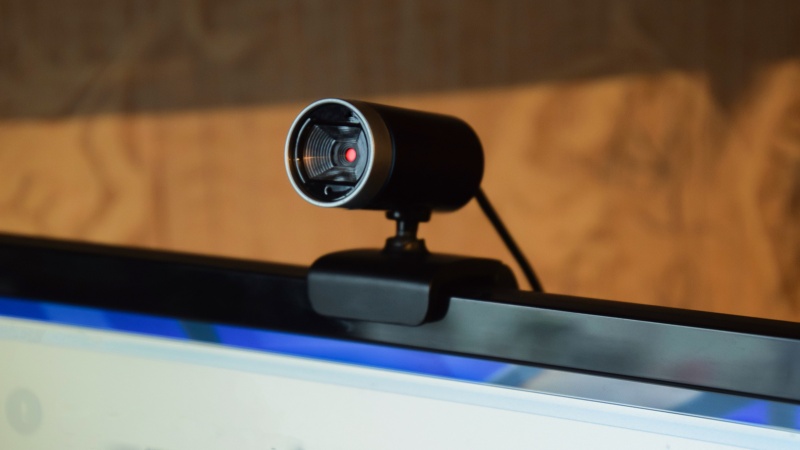
Video surveillance – Think of a security camera in the office. It’s not just there to be a safeguard, but it can also be used to “monitor movements, and track worker performance.” (Examples: Hubstaff; Ecamsecure)
Attention tracking – Webcams that track body movement, or measure attentiveness. (Examples: GazeRecorder; xLabs)
Web browsing monitoring – Software that tracks where you are going and whether you’re staying on course during work, not trying to get the next big sale. (Examples: ActivTrak; CurrentWare)
Here’s what employers are looking at, via the ExpressVPN study:
- Websites visited / time spent on various websites: 66%
- Apps used / time spent on apps: 53%
- Real-time screen monitoring: 53%
- Periodic screen capture: 33%
- Active work hours / log times: 46%
- Productive vs. unproductive hours logged: 31%
- Chats / messaging logs: 30%
- Monitoring / access to computer files: 27%
- Inbound and outbound emails: 23%
- Transcribed calls: 22%
Maybe it’s time to put down your side hustle and save it for after work hours.