'%3e %3cpath d='M15.9571 0.231934L0.147583 9.39139V32.66L15.9571 41.8195L31.7665 32.66V9.39139L15.9571 0.231934ZM15.9571 33.0172L7.68318 28.2206V13.7798L15.9571 9.00869V23.424L24.2309 28.2206L15.9571 33.0172Z' fill='%23170E30'/%3e %3cpath d='M107.275 23.3727C107.275 22.9645 107.275 22.6073 107.275 22.2756C107.275 21.6377 107.021 20.311 106.766 19.7242C104.628 14.6214 96.3791 15.5144 95.5645 21.3316C94.648 28.0417 102.438 30.9248 106.613 26.2302L104.678 24.929C102.464 26.8936 98.9759 26.5619 98.2885 23.3982H106.384H107.275V23.3727ZM98.2885 21.3826C99.0268 17.9382 103.966 17.7596 104.449 21.3826H98.2885ZM58.472 16.5095C53.9914 15.7441 51.1147 19.1629 51.522 23.4492C51.9802 28.0672 57.8865 30.2614 61.0688 26.766V28.1438H63.9964V16.3309C63.9964 16.3309 61.1706 17.9638 61.0433 18.0403C61.0433 18.0403 59.7959 16.7391 58.472 16.5095ZM57.3264 25.822C53.5077 25.3883 53.5332 19.6987 57.0464 19.1119C62.469 18.1934 62.5963 26.4088 57.3264 25.822ZM126.929 25.4648C126.471 29.5981 118.197 29.3429 116.924 25.6944L119.011 24.4698C119.597 26.1537 122.881 27.1487 123.95 25.6944C125.274 23.9085 121.048 23.4747 120.055 23.092C118.91 22.6328 117.586 21.8419 117.408 20.5151C116.72 15.5655 124.765 14.9786 126.623 18.6781L124.689 19.8263C124.103 18.2954 120.157 17.479 120.284 19.6222C120.361 20.8468 123.517 21.204 124.561 21.6633C126.318 22.4287 127.132 23.4747 126.929 25.4648ZM90.5492 18.2954C87.2142 14.3918 81.3334 16.8667 80.8497 21.7908C80.3151 27.4294 86.5523 30.8993 90.5238 26.6129V28.1438H93.2987V12.1211H90.5238V18.2699L90.5492 18.2954ZM87.7998 25.7965C83.1409 26.5874 82.2499 19.7497 86.4759 19.0864C91.2366 18.3465 92.0003 25.0566 87.7998 25.7965ZM75.8599 18.2954L74.918 17.3004C70.0555 14.3408 65.0657 19.0098 66.4404 24.2402C67.4333 28.0162 72.2958 29.9808 75.3253 27.2253C75.5544 27.0212 75.6053 26.6895 75.8599 26.6129V28.1438H78.6348V12.1211H75.8599V18.2699V18.2954ZM73.1104 25.7965C68.3752 26.4854 67.7897 19.7497 71.8121 19.1119C76.7 18.321 77.311 25.2097 73.1104 25.7965ZM112.392 16.6115H109.465V28.1693H112.392V21.102L115.6 19.2394V16.3054C114.709 16.8156 112.876 17.8872 112.392 18.1679V16.6115ZM42.4335 25.3883H49.969V28.1693H39.353V13.7795H42.4335V25.3883Z' fill='%23170E30'/%3e %3c/g%3e %3cdefs%3e %3cclipPath id='clip0_1_15718'%3e %3crect width='127' height='42' fill='white'/%3e %3c/clipPath%3e %3c/defs%3e %3c/svg%3e)

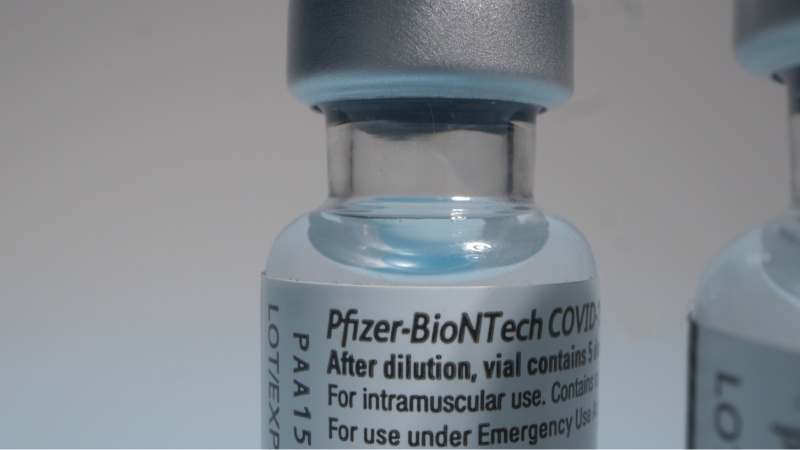
• All adults in the U.S. will be able to receive a third shot of the Pfizer or Moderna vaccines beginning Sept. 20
• Officials are pushing for boosters after recent research found that the vaccines’ effectiveness wanes over time
• Critics argue that booster shots aren’t necessary right now and that other countries need the doses more
All adults in the U.S. will start to be able to receive a third shot of the Pfizer and Moderna COVID-19 vaccines starting Sept. 20, according to a statement from the U.S. Department of Health and Human Services. Individuals will be eligible once eight months have lapsed since their second dose of a vaccine.
Health officials had debated for months whether a third dose of the vaccine was necessary, but recent data shows that protection from the initial doses, which were rolled starting in December, begins to fade over time.
“We know that even highly effective vaccines become less effective over time,” U.S. Surgeon General Dr. Vivek Murthy, said during a White House briefing. “It is now our clinical judgment that the time to lay out a plan for COVID boosters is now.”
Who is eligible for the booster shots?
People 18 years and older can get a booster shot eight months or more after their second dose. The first booster shots for all adults will be available starting Sept. 20.
As of now, adults who received the Pfizer or Moderna vaccines are eligible for the additional jab. There has not been a decision on another dose for recipients of the Johnson & Johnson single-dose vaccine. Health officials said that they will likely also need boosters, but they are waiting for data before recommending it.
The Food and Drug Administration had first approved additional doses for immunocompromised individuals last week. They attributed the emergency use authorizations of both vaccines due to the delta variant of the virus, which has caused COVID cases to skyrocket across the U.S. and threatens to bring daily case counts to over 200,000.
Side effects of the booster shot are similar to those of the second dose, according to research.
Why do I need a booster shot?
Virus variants are making booster shots necessary, according to the Centers for Disease Control and Prevention. The New York Times reported that three studies from the CDC and the newspaper’s own reading of data from seven states has demonstrated that a rise in breakthrough infections among those vaccinated.
Still, the numbers back the idea that even without a booster, vaccinations help prevent recipients from having to be hospitalized for the virus. Recent data released by Israel showed that the effectiveness of the Pfizer vaccine reduced severe illness in people 60 and older who were vaccinated at the beginning of the year. A third dose is 86% effective in people aged over 60.
Doses for the rest of the world
Not everyone endorses the call for an additional shot. Much of the global population has yet to receive a first dose of the vaccine — just 23.9% of the world has been fully vaccinated. Earlier in August, the World Health Organization called for a moratorium on booster shots until at least the end of September in order to allow other countries to receive jabs.
“These data support giving additional doses of vaccine to highly immunocompromised persons and nursing home residents, not to the general public,” Dr. Celine Gounder, an infectious disease specialist at Bellevue Hospital Center, told The New York Times. “Boosters would only be warranted if the vaccines were failing to prevent people from ending up hospitalized with COVID-19. … We’ll be better protected by vaccinating the unvaccinated here and around the world.”