'%3e %3cpath d='M15.9571 0.231934L0.147583 9.39139V32.66L15.9571 41.8195L31.7665 32.66V9.39139L15.9571 0.231934ZM15.9571 33.0172L7.68318 28.2206V13.7798L15.9571 9.00869V23.424L24.2309 28.2206L15.9571 33.0172Z' fill='%23170E30'/%3e %3cpath d='M107.275 23.3727C107.275 22.9645 107.275 22.6073 107.275 22.2756C107.275 21.6377 107.021 20.311 106.766 19.7242C104.628 14.6214 96.3791 15.5144 95.5645 21.3316C94.648 28.0417 102.438 30.9248 106.613 26.2302L104.678 24.929C102.464 26.8936 98.9759 26.5619 98.2885 23.3982H106.384H107.275V23.3727ZM98.2885 21.3826C99.0268 17.9382 103.966 17.7596 104.449 21.3826H98.2885ZM58.472 16.5095C53.9914 15.7441 51.1147 19.1629 51.522 23.4492C51.9802 28.0672 57.8865 30.2614 61.0688 26.766V28.1438H63.9964V16.3309C63.9964 16.3309 61.1706 17.9638 61.0433 18.0403C61.0433 18.0403 59.7959 16.7391 58.472 16.5095ZM57.3264 25.822C53.5077 25.3883 53.5332 19.6987 57.0464 19.1119C62.469 18.1934 62.5963 26.4088 57.3264 25.822ZM126.929 25.4648C126.471 29.5981 118.197 29.3429 116.924 25.6944L119.011 24.4698C119.597 26.1537 122.881 27.1487 123.95 25.6944C125.274 23.9085 121.048 23.4747 120.055 23.092C118.91 22.6328 117.586 21.8419 117.408 20.5151C116.72 15.5655 124.765 14.9786 126.623 18.6781L124.689 19.8263C124.103 18.2954 120.157 17.479 120.284 19.6222C120.361 20.8468 123.517 21.204 124.561 21.6633C126.318 22.4287 127.132 23.4747 126.929 25.4648ZM90.5492 18.2954C87.2142 14.3918 81.3334 16.8667 80.8497 21.7908C80.3151 27.4294 86.5523 30.8993 90.5238 26.6129V28.1438H93.2987V12.1211H90.5238V18.2699L90.5492 18.2954ZM87.7998 25.7965C83.1409 26.5874 82.2499 19.7497 86.4759 19.0864C91.2366 18.3465 92.0003 25.0566 87.7998 25.7965ZM75.8599 18.2954L74.918 17.3004C70.0555 14.3408 65.0657 19.0098 66.4404 24.2402C67.4333 28.0162 72.2958 29.9808 75.3253 27.2253C75.5544 27.0212 75.6053 26.6895 75.8599 26.6129V28.1438H78.6348V12.1211H75.8599V18.2699V18.2954ZM73.1104 25.7965C68.3752 26.4854 67.7897 19.7497 71.8121 19.1119C76.7 18.321 77.311 25.2097 73.1104 25.7965ZM112.392 16.6115H109.465V28.1693H112.392V21.102L115.6 19.2394V16.3054C114.709 16.8156 112.876 17.8872 112.392 18.1679V16.6115ZM42.4335 25.3883H49.969V28.1693H39.353V13.7795H42.4335V25.3883Z' fill='%23170E30'/%3e %3c/g%3e %3cdefs%3e %3cclipPath id='clip0_1_15718'%3e %3crect width='127' height='42' fill='white'/%3e %3c/clipPath%3e %3c/defs%3e %3c/svg%3e)

The Mediterranean diet has a long-established relationship with reduced disease incidence and now, it may help save your brain from dementia.
In addition to decreasing one’s risk for developing certain forms of cancer and cardiovascular illness, a new study published in the journal, Neurology, posits that those who adhere to The Mediterranean diet dramatically improve their cognitive function into old age.
According to the authors, long-time subscribers of the regimen evidence an increased resistance toward the buildup of two proteins, (amyloid, and tau) associated with dementia. Over time these buildups form into plaques and tangles—causing memory loss and the gradual loss of motor functions. The various hallmarks that are predictive of neurodegenerative disease are often referred to as “mediotemporal atrophy.”
“To determine if following a Mediterranean-like diet (MeDi) relates to cognitive functions and in vivo biomarkers for Alzheimer’s disease (AD), we analyzed cross-sectional data from the German Longitudinal Cognitive Impairment and Dementia Study,” the authors wrote in the new paper.
“Our findings corroborate the view of MeDi as a protective factor against memory decline and mediotemporal atrophy. Importantly, they suggest that these associations might be explained by a decrease of amyloidosis and tau-pathology. Longitudinal and dietary intervention studies should further examine this conjecture and its treatment implications.”
How the Mediterranean Diet and cognitive function are linked
The study sample was comprised of 169 cognitively normal adult participants and 343 participants who were at a higher risk for AD. Each had their language, memory and executive function skills tested alongside brain scan analysis.
Finally, the authors used food questionnaires to determine how closely respondents followed the Mediterranean diet.
Consistently, those who did not faithfully adhere to the regimen demonstrated increased amyloid and tau protein buildup in their spinal fluid. In fact, every point of higher compliance with the Mediterranean diet corresponded with one extra year less of brain aging.
The fish, legumes, whole grains, oil, and vegetables supported by Mediterranean cuisine appeared to cause reductions in oxidative damage, inflammation, and even excessive weight.
Many of the foods that the diet is composed of have been independently proven to improve mental health as well. Additionally, incidences of cancer are much lower in Mediterranean counties compared to the United States.
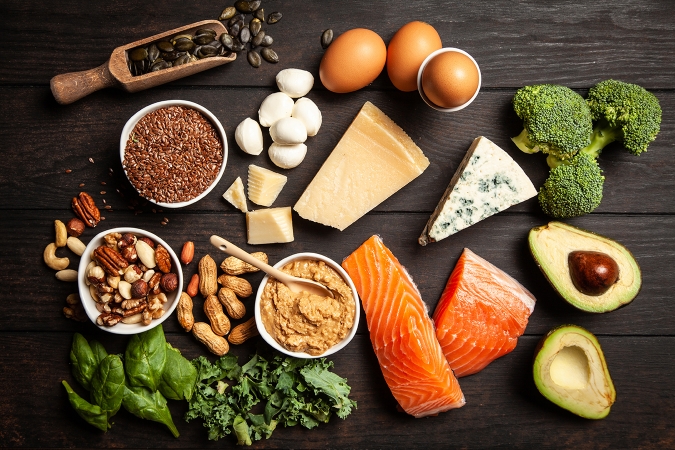
The diet is inspired by the foods that were commonly eaten by Italians and Greeks in the 1960s. As far as the basics are concerned: Limited intake of red meat, moderate intake of poultry, eggs, and cheese, no processed meat, refined grains, or oils, and no sugar-sweetened beverages. Subscribers can eat all the vegetables, nuts, seeds, legumes, potatoes, whole grains, bread, herbs, spices, fish, seafood, and extra virgin olive oil.
“The best way to reduce your risk of dementia is to adapt various aspects of your lifestyle, including eating certain foods, taking regular exercise, not smoking, and maintaining normal blood pressure and cholesterol levels. There is some evidence that eating a Mediterranean-style diet can reduce the risk of developing problems with memory and thinking, and getting some forms of dementia,” the Alzheimers Society reports.